Article
May 2, 2025
Minecraft.GR — Building Stronger Teams Through Leadership
Exploring recruitment, staff management, onboarding, and leadership strategies that supported the growth and long-term success of one of Greece's largest Minecraft communities.

In November 2024, I was invited to step in and assist with a growing challenge at Minecraft.gr, one of the largest Greek Minecraft communities. At the time, the server was thriving in popularity — but behind the scenes, the staff infrastructure was buckling under the weight of rapid growth.
The team was short-staffed. Policies weren’t enforced. Communication was sporadic, and accountability was blurry. The few staff members still holding things together were stretched too thin. There was passion — but no structure.
As the newly appointed Staff Manager, I knew that before we could grow, we needed to rebuild from the inside out. So I rolled up my sleeves and implemented a three-phase strategy: reorganize the foundation, scale the team, and build systems that last.
This wasn’t just an HR job. It was a people-first mission — to restore clarity, consistency, and culture.
Phase One: The Structural Overhaul
The very first issue was role chaos. Everyone was doing a bit of everything, which sounds noble until nothing gets done well. Titles existed, but their responsibilities were vague. The solution? Start fresh — with a system built around clarity, hierarchy, and collaboration.
I designed and introduced a new three-tiered staff structure that gave everyone a home, a direction, and a sense of purpose.
1. The Management Team
At the top, I created two essential departments:
Staff Development Team: This group works directly with me to drive HR initiatives, define team policies, and help shape our internal culture. As Staff Manager, I lead the efforts in recruitment, interviews, onboarding, training, and team performance reviews.
Game Development Team: These are the creative minds and technical experts behind the server’s features. Developers and designers in this department collaborate closely with leadership to make sure every new server feature is aligned with both our technical needs and community vision.
This structure gave everyone — from staff to admins — a clear picture of who does what, and who to go to for support.
2. The Senior Staff Team
To create leadership within each department, I introduced two key roles:
Head of Staff: Serving as a bridge between myself and the wider team, the Head of Staff oversees everyday team coordination, tracks member progress, runs internal check-ins, and ensures our policies are upheld. They help keep the pulse of the team beating in rhythm.
Head of Operations: This role connects directly with the Game Development team, helping guide the overall creative direction and ensuring our technical work stays in sync with our goals.
By having this leadership layer, we brought in more accountability, faster decision-making, and stronger ownership of each department.
3. The Staff Team
The core of the operation — the people on the ground:
Moderators: Senior support members with more responsibilities and permissions. They resolve conflicts, mentor Helpers, and ensure the rules are enforced consistently.
Helpers: Often new to the team, they’re the first point of contact for members needing help in-game or on Discord. Their role is support-focused, but they’re also the ones who grow into our future leaders.
Social Media Handlers: This sub-team works on expanding our online presence — creating and managing content for Instagram, TikTok, and more. They play a critical role in growing our community across platforms.
This layered team structure didn’t just organize people — it created pathways for growth, encouraged mentorship, and gave every team member a sense of progress and contribution.
Phase Two: Scaling the Team, Sustainably
Once the structure was in place, it was time to bring in new people — but fast doesn’t have to mean sloppy.
Over a two-week period, I grew the team from 6 to over 20 active members — a staggering 230% increase in staff capacity. But the real success wasn’t the number — it was how prepared they were.
Every new member was brought in through a systemized process:
Personal interview and screening
Tailored onboarding
Immediate access to structured training materials
Real-time mentorship and progress tracking
The result? A team that hit the ground running — not lost or guessing, but confident and equipped to serve the community from day one.
Phase Three: Systems, Standards, and Support
Growth is exciting — but it only works if your team knows what “good” looks like. I built a comprehensive training ecosystem that’s now the backbone of how we operate.
Accessible at any time, our training hub includes:
Communication guidelines (tone, timing, conflict handling)
In-game command usage and troubleshooting
Discord moderation and Staff Support system operations
Server structure education (how things work behind the scenes)
Professional standards and expectations
This system made it easy for Helpers to grow into Moderators — and for anyone to learn independently and stay sharp. It also freed up leadership to focus on strategy, not just micromanaging the basics.
But training alone wasn’t enough. To truly empower our community, we needed a direct line of communication between players and staff. So, I implemented a Staff Support system via Discord, allowing players to reach out directly to staff members for assistance with any issues, whether in-game or on our Discord server. This initiative not only improved response times but also fostered a stronger sense of community and trust between players and staff.
Results & Impact
To better communicate the scale and impact of these changes, here are a few key metrics collected after implementation:
Team Capacity: Expanded from 6 to 20+ staff members in two weeks
Average Response Time (ART) to Player Reports: Improved from ~2 hours to under 30 minutes
Staff Retention Rate (3-month): Increased from 45% to 90%
Mentorship Completion Rate: 85% of new Helpers advanced to Moderators within 6 weeks
Keeping Everyone Aligned: Culture & Communication
Structure and systems are essential — but people are the heart of a team.
To keep that human connection strong, I introduced biweekly team meetings. These aren’t just progress updates — they’re open conversations. A space where people ask questions, raise concerns, and share wins.
This rhythm of regular, transparent communication helped shift our culture from disconnected and reactive to aligned and proactive.
Challenges & Lessons Learned
No transformation is without its bumps. While the process was ultimately successful, a few challenges stood out:
Resistance to Change: Some long-time team members were initially hesitant about the new structure. The solution? One-on-one conversations and involving them early in the redesign helped earn their buy-in.
Time Management: Balancing recruiting, training, and operations at once proved demanding. I learned to delegate more effectively and trust leads with real responsibility.
Maintaining Consistency: With rapid team growth, ensuring consistent standards across departments was tough. Standardized training materials and weekly check-ins became vital.
In the end, building systems is about people just as much as processes. Listening, adapting, and empowering were key to lasting change.
Showcasing Minecraft.gr at Gameathlon
One of the most exciting milestones was our participation in Gameathlon Winter 2024, where we showcased our servers to the public. The event was held at the Taekwondo Stadium in Palaio Faliro, Athens, and was a significant opportunity to engage with the gaming community.
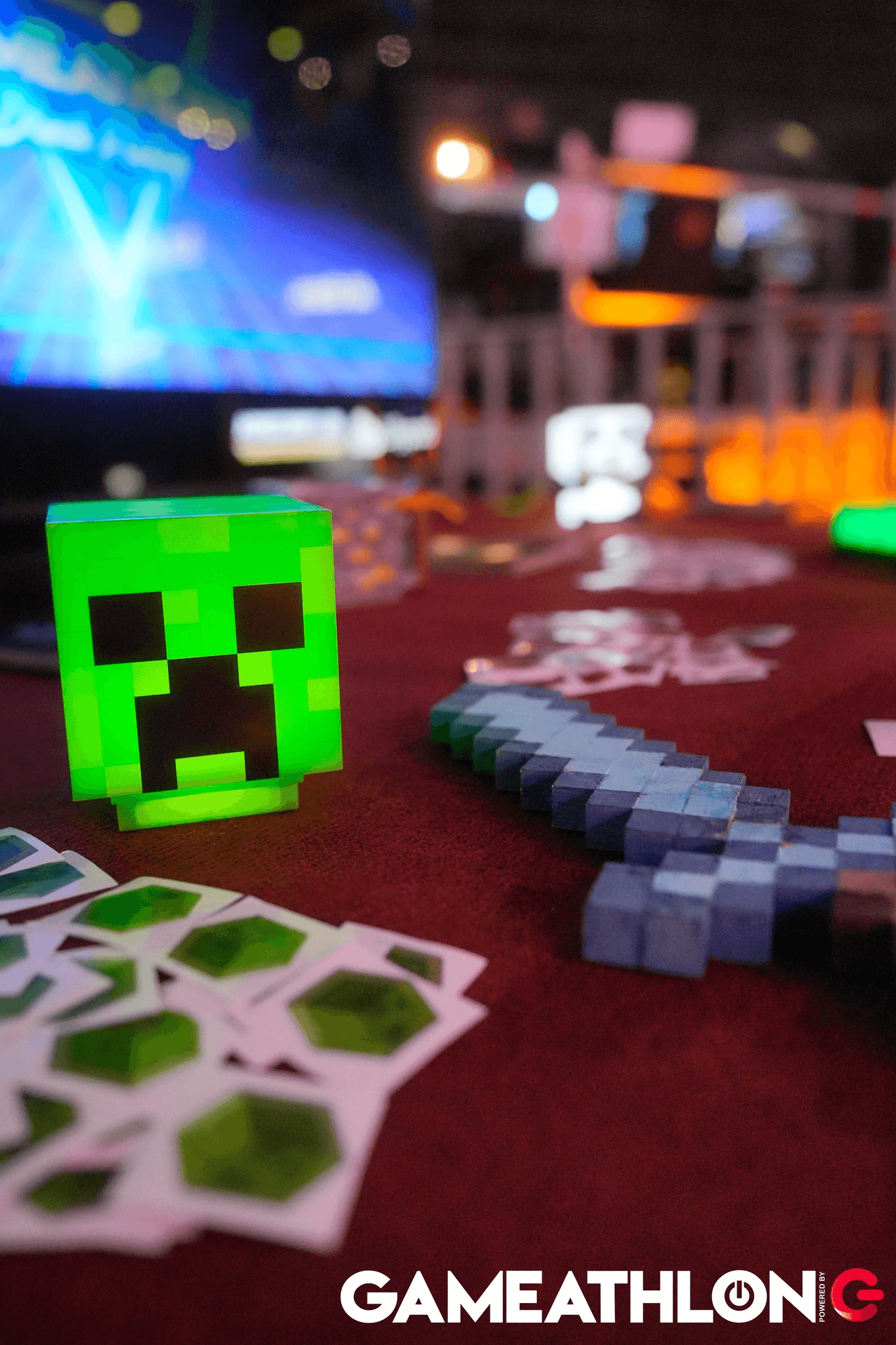

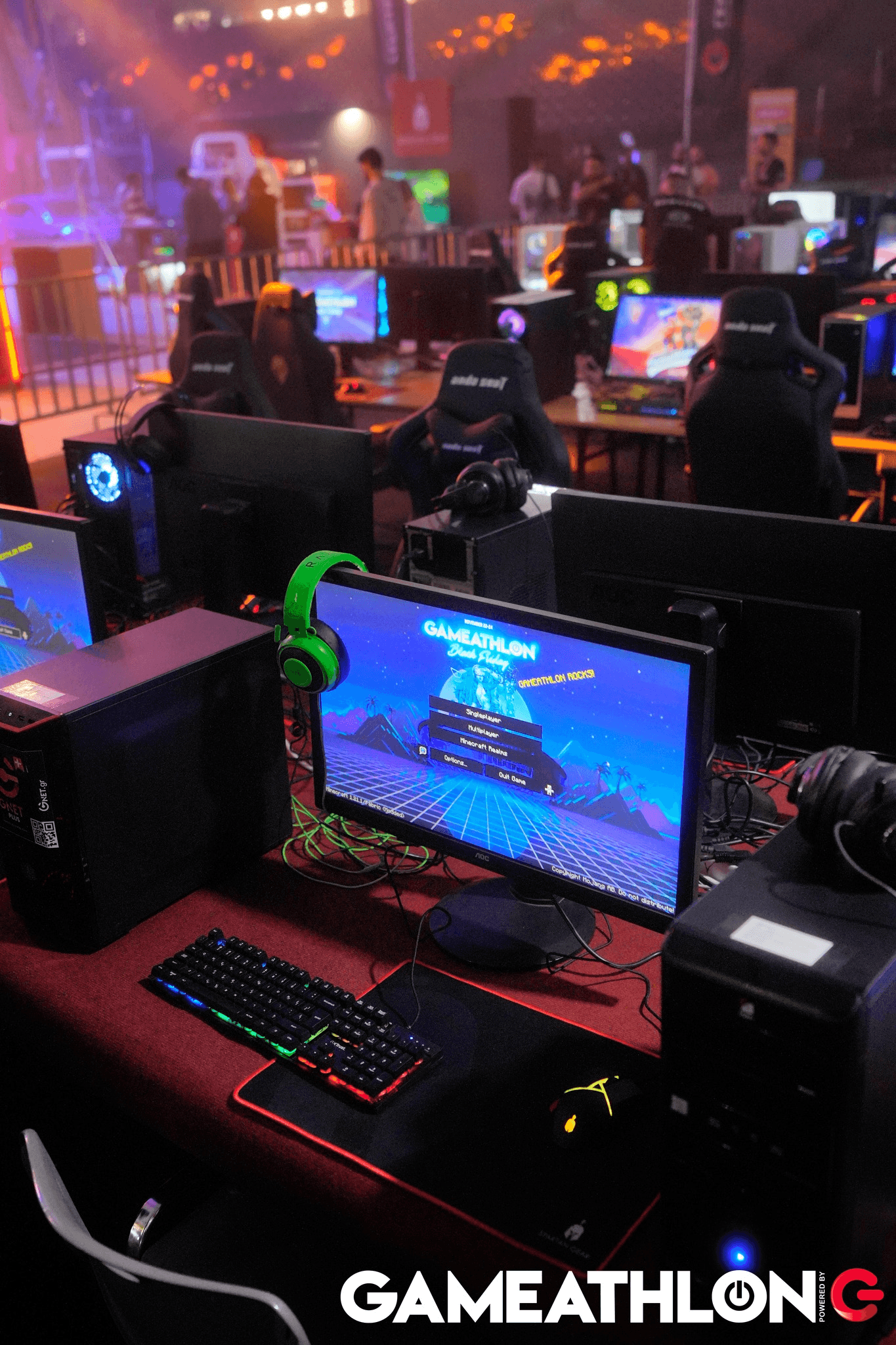
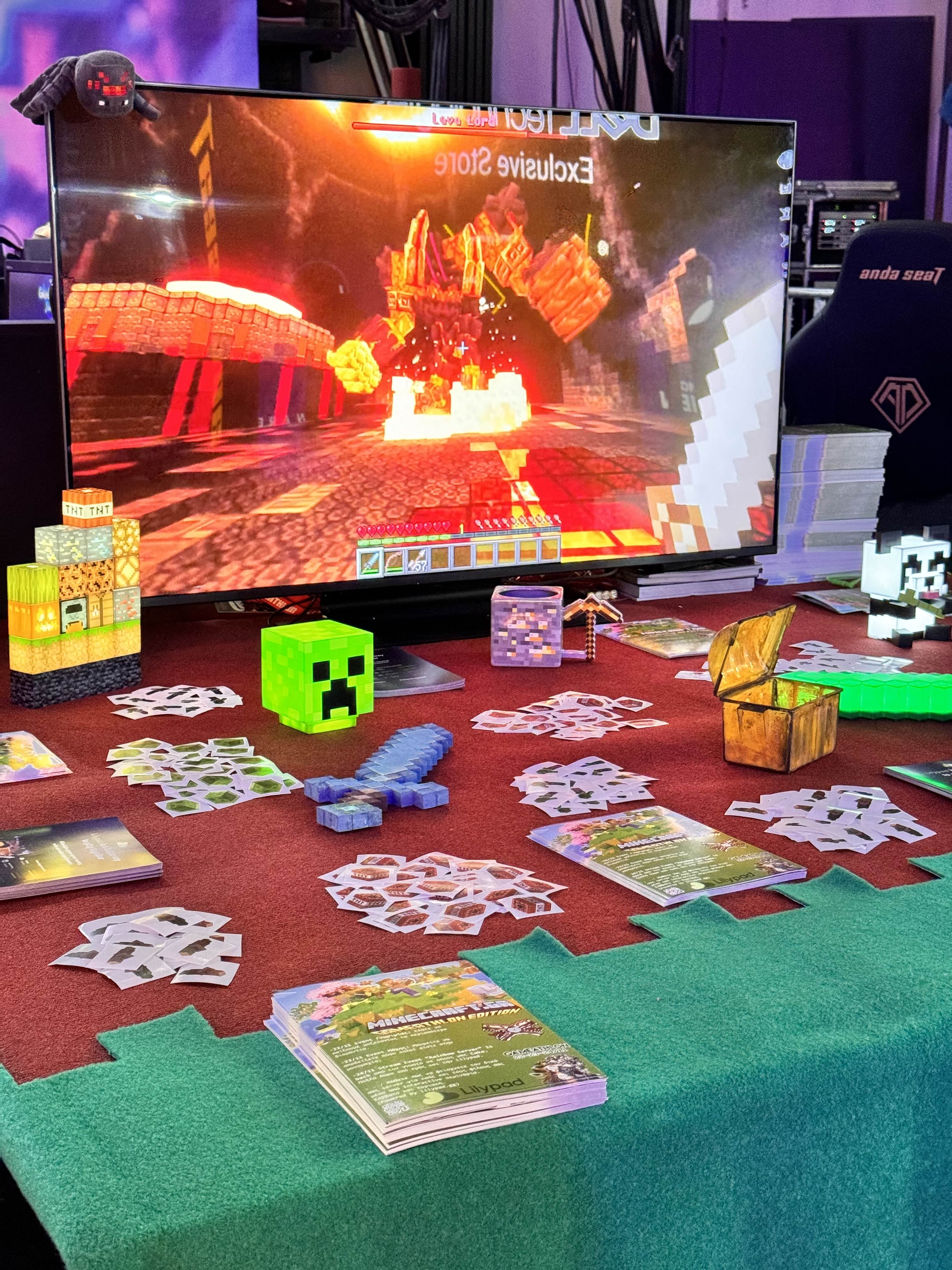
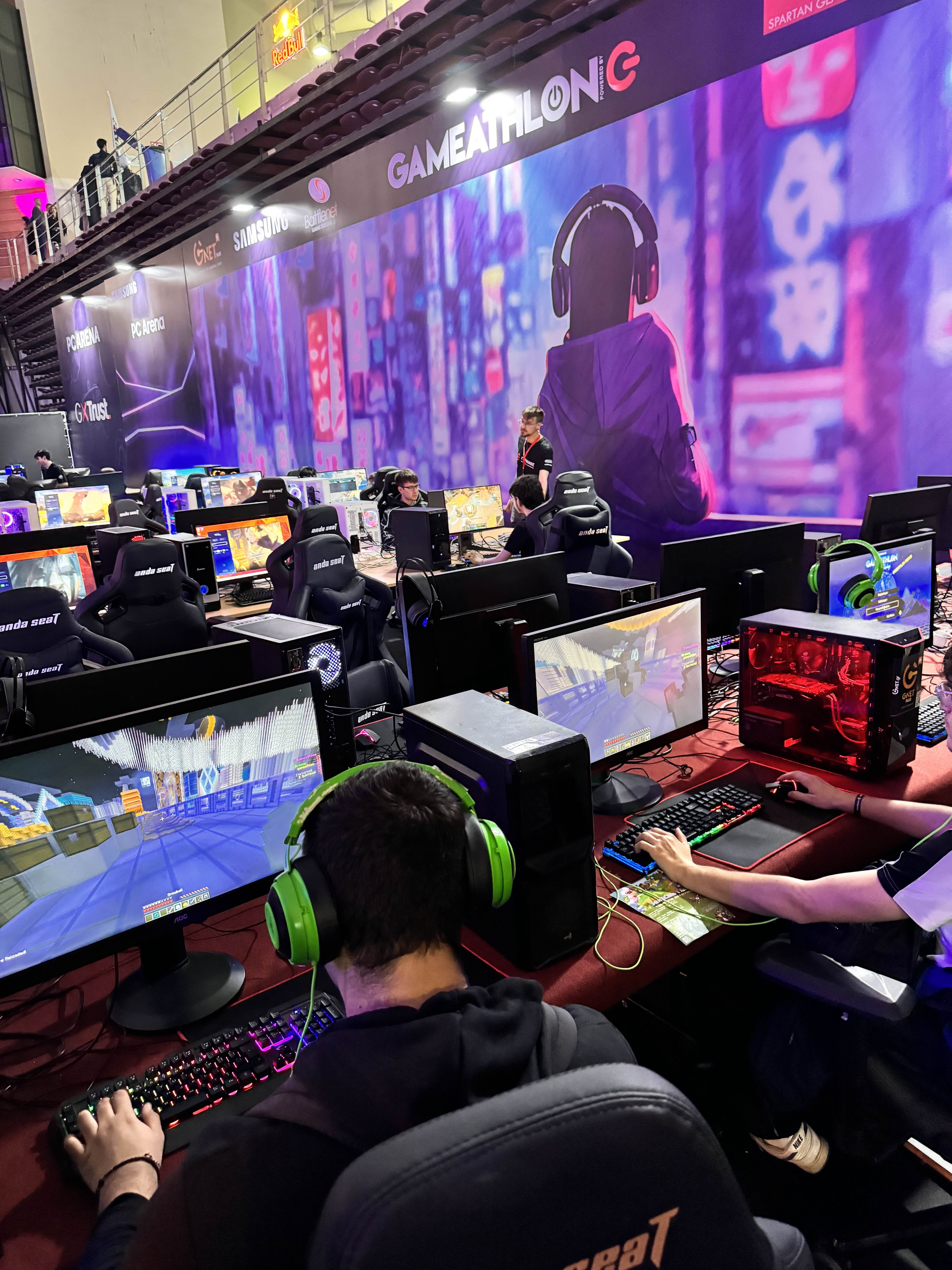
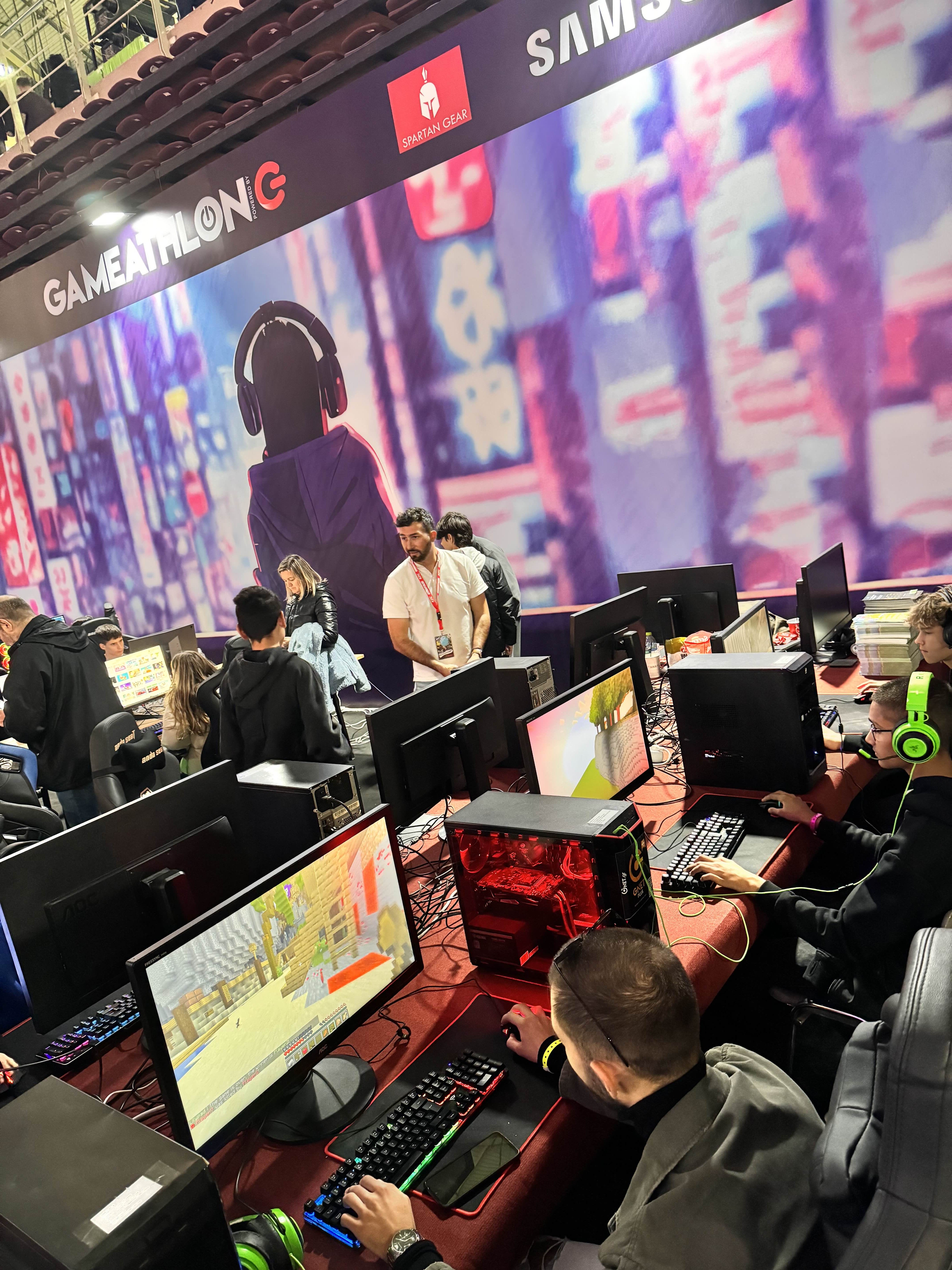

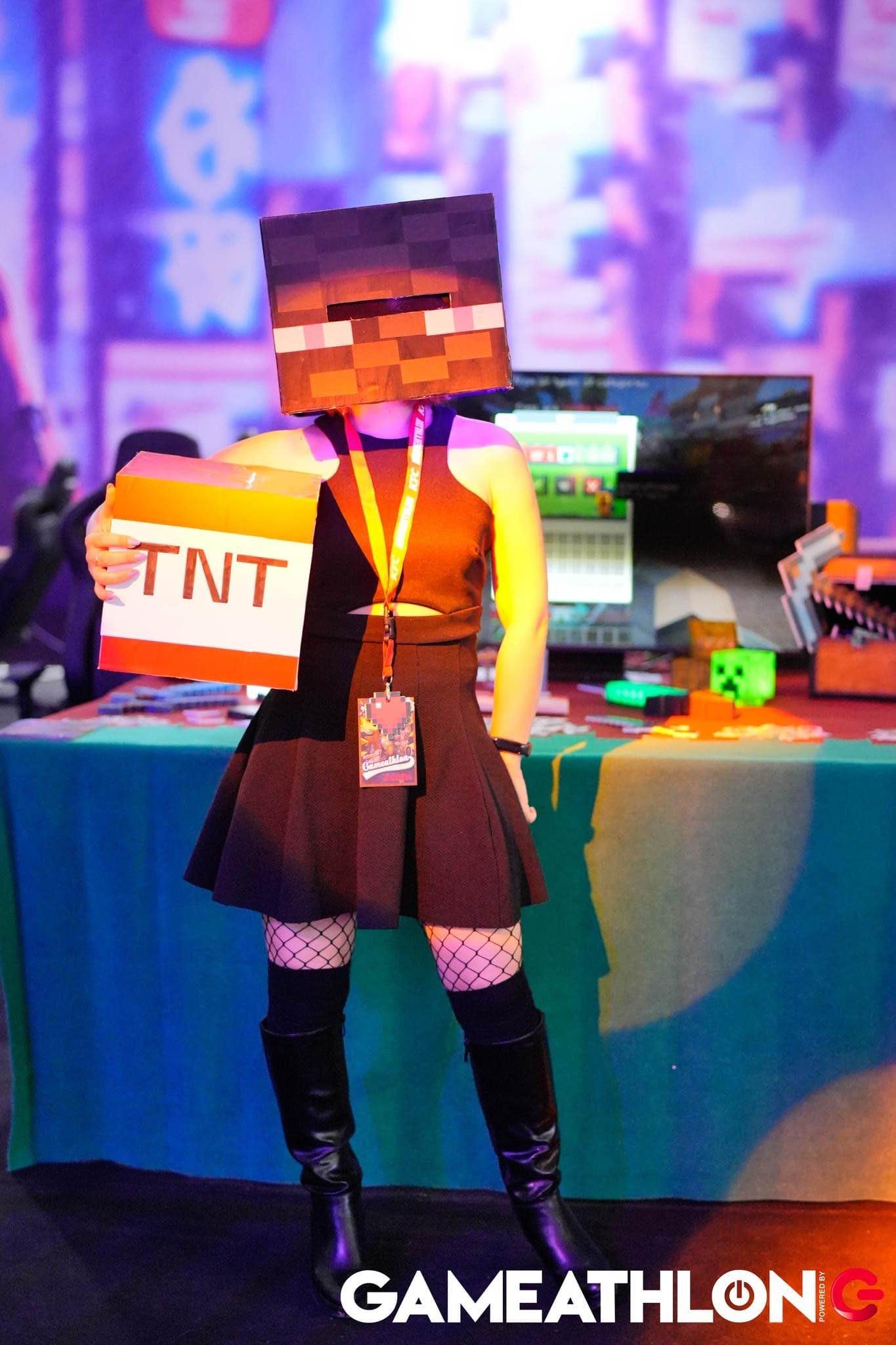
These photos capture the vibrant atmosphere and the enthusiasm of both our team and the attendees. It was a fantastic experience that allowed us to connect with players and showcase what Minecraft.gr has to offer.
Final Thoughts
What started as a team on the edge of burnout is now a structured, motivated, and high-functioning staff ecosystem. Every role has clarity. Every member has purpose. And our leadership pipeline ensures that as the community grows, we’re ready for it.
This transformation wasn’t about adding more people — it was about creating a place where people can thrive.
It’s been one of the most rewarding projects I’ve ever worked on!
Founder’s Recommendation
I’d like to warmly recommend Chris for his great work as part of the HR team at Minecraft.gr. He consistently brought a positive attitude, showed strong communication skills, and contributed to building a healthy and welcoming environment for everyone. Chris is a good guy, reliable, approachable, and genuinely supportive to the community and the team.
— Constantine Papadimitriou, Founder of Minecraft.gr (RFS)